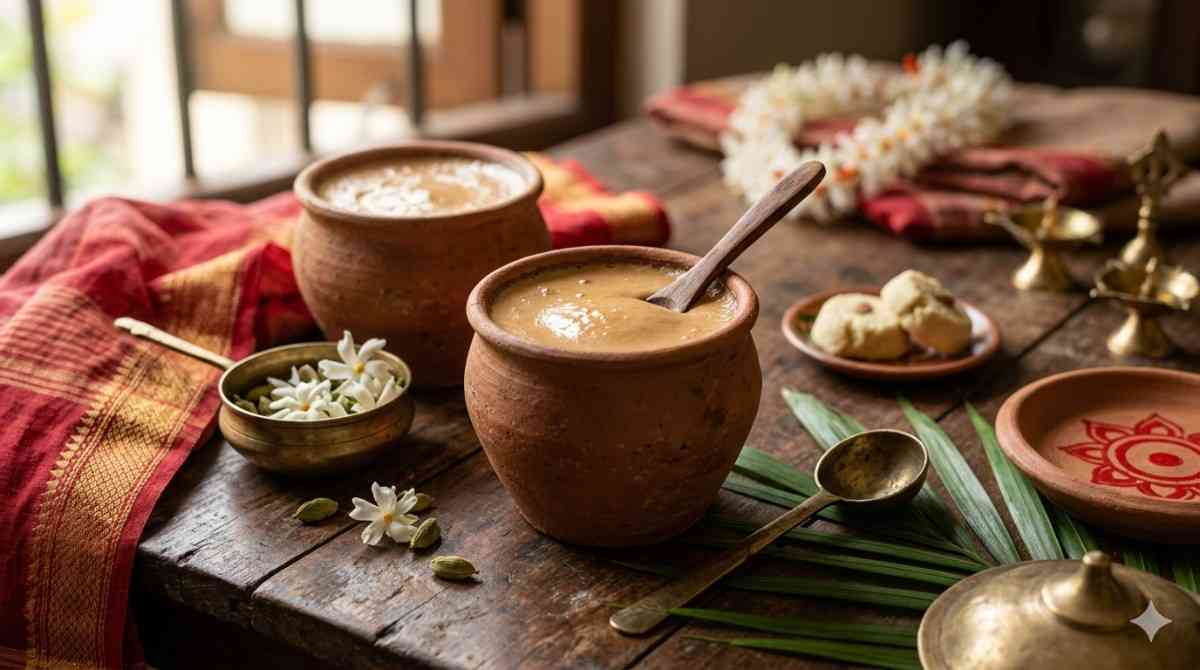
When it comes to iconic Indian desserts, Mishti Doi holds a special place in the hearts of dessert lovers. Originating from the culturally rich state of West Bengal, this creamy, caramelized yogurt dessert is more than just a sweet treat—it's a symbol of tradition, celebration, and Bengali hospitality. Loved for its smooth texture and naturally sweet flavor, Mishti Doi has become a culinary treasure that represents Bengal's rich heritage.
In this blog, we'll explore the history, preparation, cultural importance, and growing popularity of Mishti Doi across India and beyond.
What Is Mishti Doi?
Mishti Doi, which literally translates to "sweet yogurt," is a traditional Bengali dessert made by fermenting sweetened milk. Unlike regular yogurt, Mishti Doi is prepared using caramelized sugar or jaggery, which gives it its signature golden-brown color and rich, mildly smoky flavor.
Traditionally, the dessert is set in earthen pots called matkas. These clay pots absorb excess moisture, resulting in a thick, creamy consistency while imparting a subtle earthy aroma that enhances the overall taste.
Simple ingredients, slow fermentation, and generations of tradition come together to create one of India's most beloved desserts.
— The timeless appeal of Mishti Doi
The History of Mishti Doi
The origins of Mishti Doi can be traced back several centuries to Bengal, where dairy-based sweets have long been a part of the region's culinary identity. During the colonial era, sweet yogurt became increasingly popular in households and sweet shops alike.
Over time, Mishti Doi evolved into a staple dessert served during festivals, weddings, religious ceremonies, and family gatherings. Today, it remains one of Bengal's most cherished traditional foods and is enjoyed by people across India.
How Mishti Doi Is Made
Preparing authentic Mishti Doi requires patience and a handful of simple ingredients.
Ingredients
- Full-fat milk
- Sugar or jaggery
- Yogurt starter culture
Preparation Process
- Boil full-fat milk until it slightly thickens.
- Caramelize sugar or melt jaggery into the milk to create its signature color and sweetness.
- Allow the mixture to cool until it becomes lukewarm.
- Add a spoonful of yogurt as the starter culture.
- Pour the mixture into earthen pots or bowls.
- Let it ferment for several hours until fully set.
- Refrigerate before serving for the best flavor and texture.
The slow fermentation process creates a naturally creamy dessert with a delightful balance of sweetness and tanginess.
Cultural Significance of Mishti Doi
Mishti Doi is deeply woven into Bengali culture and is often associated with joy, hospitality, and celebration.
- Weddings — A popular dessert served during traditional Bengali wedding feasts.
- Durga Puja — Frequently enjoyed during Bengal's biggest festival.
- Poila Boishakh — An essential part of Bengali New Year celebrations.
- Housewarming ceremonies — Shared as a symbol of prosperity and happiness.
- Birthdays and religious festivals — A favorite dessert for special occasions.
Offering Mishti Doi to guests symbolizes warmth, respect, and heartfelt hospitality.
Nutritional Benefits
Although Mishti Doi is a dessert, it also offers several nutritional benefits when enjoyed in moderation.
- Rich in Calcium — Supports healthy bones and teeth.
- Contains Probiotics — Beneficial bacteria may promote gut health and aid digestion.
- Good Source of Protein — Helps support muscle maintenance and overall health.
Since it contains added sugar, it is best enjoyed as part of a balanced diet.
Regional Variations
Different regions and sweet makers have created delicious variations while preserving the essence of traditional Mishti Doi.
- Nolen Gur Mishti Doi — Prepared with date palm jaggery, this winter specialty is famous for its deep caramel flavor and natural sweetness.
- Baked Mishti Doi — A modern version baked for a denser texture and lightly caramelized surface.
- Fruit-Flavored Mishti Doi — Popular contemporary flavors include mango, strawberry, blueberry, and saffron.
Why Mishti Doi Remains Popular
Its enduring popularity comes from a perfect combination of tradition and irresistible flavor.
- Rich and creamy texture
- Balanced sweetness
- Traditional preparation methods
- Strong cultural roots
- Natural fermentation
- Perfect for festive occasions
Its timeless appeal continues to delight both older and younger generations.
Tips for Serving Mishti Doi
- Serve chilled for the best taste and texture.
- Use traditional earthen pots for an authentic experience.
- Garnish with chopped pistachios, almonds, or saffron strands if desired.
- Pair it with other Bengali sweets for a festive dessert platter.
Conclusion
Mishti Doi is much more than a delicious dessert—it is a celebration of Bengal's rich culinary heritage, traditions, and warm hospitality. From festive gatherings to everyday indulgence, this creamy sweet yogurt continues to bring people together with its comforting flavors and cultural significance.
Whether you're discovering Bengali cuisine for the first time or revisiting a childhood favorite, Mishti Doi offers an authentic taste of tradition in every spoonful. Its enduring popularity is a testament to the timeless charm of simple ingredients transformed into something truly extraordinary.